Google ads vs Facebook ads for a remodeling company: which first?
By the Margin Media team · Updated
For a remodeling company, Google ads reach a homeowner who is already searching for a remodeler, and Facebook and Instagram ads reach one who is still thinking about the project. Start with Google if you need consultations soon. Add Facebook and Instagram when you have strong before-and-after photos and a way to follow up for months.
How do the two compare?
They differ in what the homeowner was doing when they saw you. On Google they typed what they want. On Facebook and Instagram they were looking at something else and your kitchen photo stopped them. Neither is better in every case.
| Google ads | Facebook and Instagram ads | |
|---|---|---|
| Where the homeowner is | Searching for a remodeler or a project | Scrolling, not searching |
| How ready they are | Often ready to talk | Often months from starting |
| What the ad needs | Clear words: the project and the area | Strong photos or video of finished work |
| What you need behind it | A phone that is answered fast | Follow-up that lasts for months |
| Where money is wasted | Clicks from repair jobs and job seekers | Enquiries from people who are only curious |
When is Google the better place to start?
Google is the better start when you want consultations soon and can answer the phone. The homeowner has decided to act and is choosing who to call. The risk is paying for searches you do not want, such as small repairs or do-it-yourself questions, so the list of searches to exclude matters as much as the ad.
When do Facebook and Instagram make sense?
Facebook and Instagram make sense when your work photographs well and you can stay in touch. A remodel is a visual purchase, and a good before-and-after earns attention. But the homeowner was not shopping. Expect more questions, slower decisions and more people who go quiet. Without follow-up, those enquiries are wasted.
How does Margin run ads for a remodeler?
Margin starts with Google, then adds Facebook and Instagram, all in an ad account you own. The ad budget is your money and goes from your card to the platform. Each campaign gets its own booking page. Where to start your budget is part of the plan you get on the free audit.
Because slower enquiries need follow-up, Mia texts everyone who asked and did not book until they book or say no. That texting starts once the phone carriers approve your number. If an agency already runs your ads and you are happy with it, Margin can do just the answering side.
What Margin sets up for this.
- Ads on Facebook and Instagram, in an account you own
- Follow-up until they book or say no
- Mia, the AI receptionist, on every call
- A monthly report and strategy call
What a business needs is decided on its audit. It is a one-time setup fee and a monthly fee, with exact numbers on the audit.
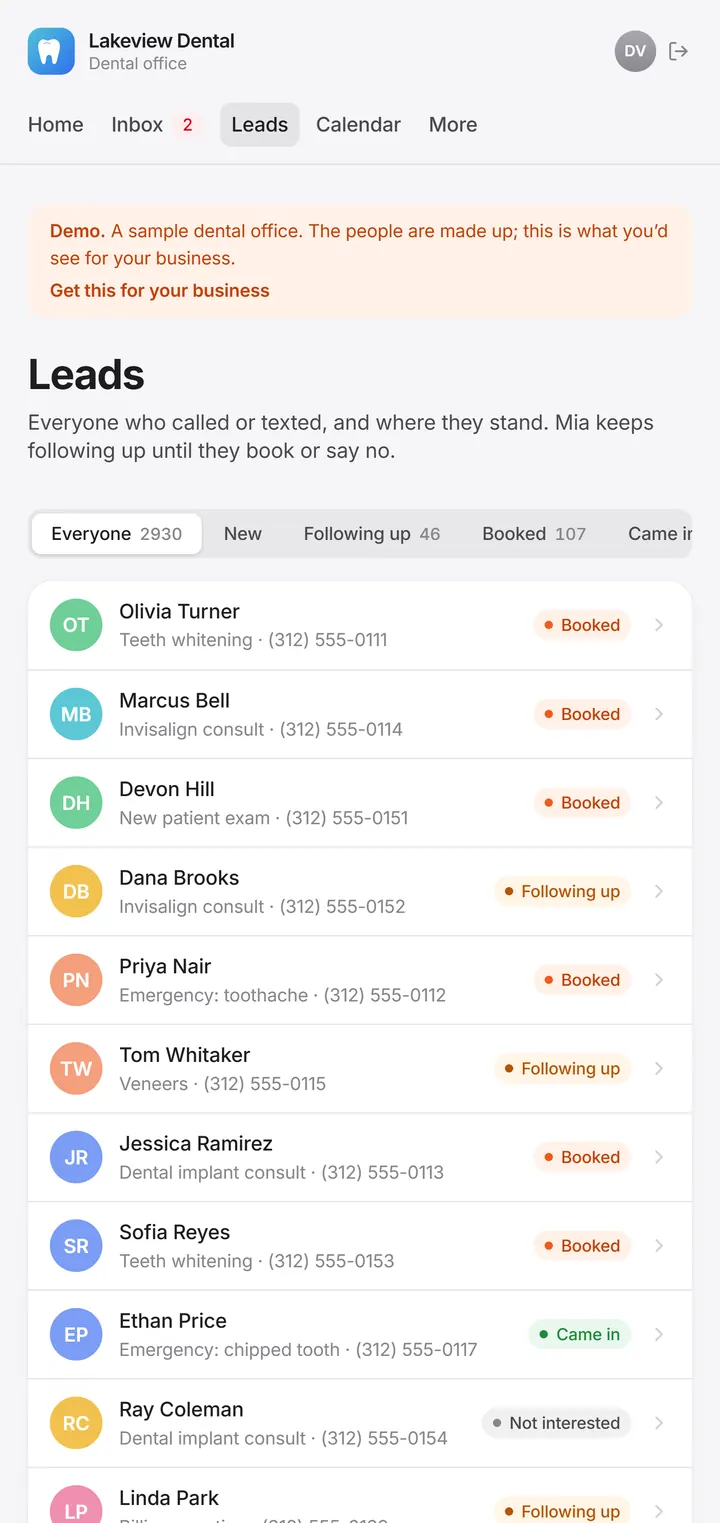
How Margin works for remodelersSee the portal with a sample business
Related questions
Do Facebook ads work for kitchen and bath remodeling?
Facebook and Instagram ads can bring a remodeling company enquiries for kitchens and baths, because finished rooms photograph well. The homeowners are often early in their planning, so the ads only pay when someone answers quickly and keeps in touch for months.
Should a remodeling company run Google ads and Facebook ads together?
A remodeling company can run both once the first is paying for itself. Start with one, count what a held consultation costs, then add the second and count it separately. Running both from day one makes it hard to tell which is working.
What is a booking page for a remodeling ad?
A booking page is a single page built for one remodeling ad campaign. It shows the project the ad promised, a few finished photos and one way to book a consultation. It has no menu, so the homeowner either books or leaves.